What Residential Mold Remediation Really Involves: A Homeowner's Guide
@residentialmoldremediationdeck
If you have spotted dark patches on a wall or caught a musty smell in the basement, you already know that mold is not just an eyesore. It can damage drywall, weaken wooden beams, and trigger allergies or respiratory issues. Many homeowners in Boston and Cambridge have dealt with attic mold or a damp crawl space, and the first question is usually the same: can I just clean it myself? The short answer is that it depends on the size of the problem, but for anything bigger than a square foot, professional residential mold remediation becomes necessary. This article walks through the real process, the equipment involved, and why cutting corners rarely saves money in the long run.
Why Mold Grows Indoors and Why It Matters
Mold spores are everywhere outside. They only become a problem indoors when they find moisture and a food source. Common building materials like wood, drywall, and carpet provide plenty of organic material for mold to feed on. The most frequent cause is a water issue: a leaky pipe, a roof drip, poor ventilation in a bathroom, or a humid crawl space that never fully dries out. Once the moisture is present, spores can settle and colonize within 24 to 48 hours.
Not all mold is created equal. The EPA classifies indoor mold as a potential health hazard and provides guidelines for remediation. Some species, like Cladosporium, are common outdoors and can cause hay fever symptoms indoors. Others, like Aspergillus, are more concerning because certain strains produce mycotoxins. Then there is Stachybotrys, often called black mold, which thrives on water-damaged materials and is linked to more serious health effects. Knowing what you are dealing with is one reason a certified mold inspector begins with air sampling and surface testing before any removal work starts.
Assessment: Before Any Remediation Begins
A thorough assessment is the foundation of any residential mold remediation plan. A certified mold inspector will walk through the property, check for visible growth, measure moisture levels with a meter, and take air samples to compare indoor spore counts with outdoor levels. Air sampling helps determine whether the mold is contained or has spread into the HVAC system. If the HVAC is involved, the remediation protocol becomes more complex because blowing spores through the ductwork can recontaminate the whole house.
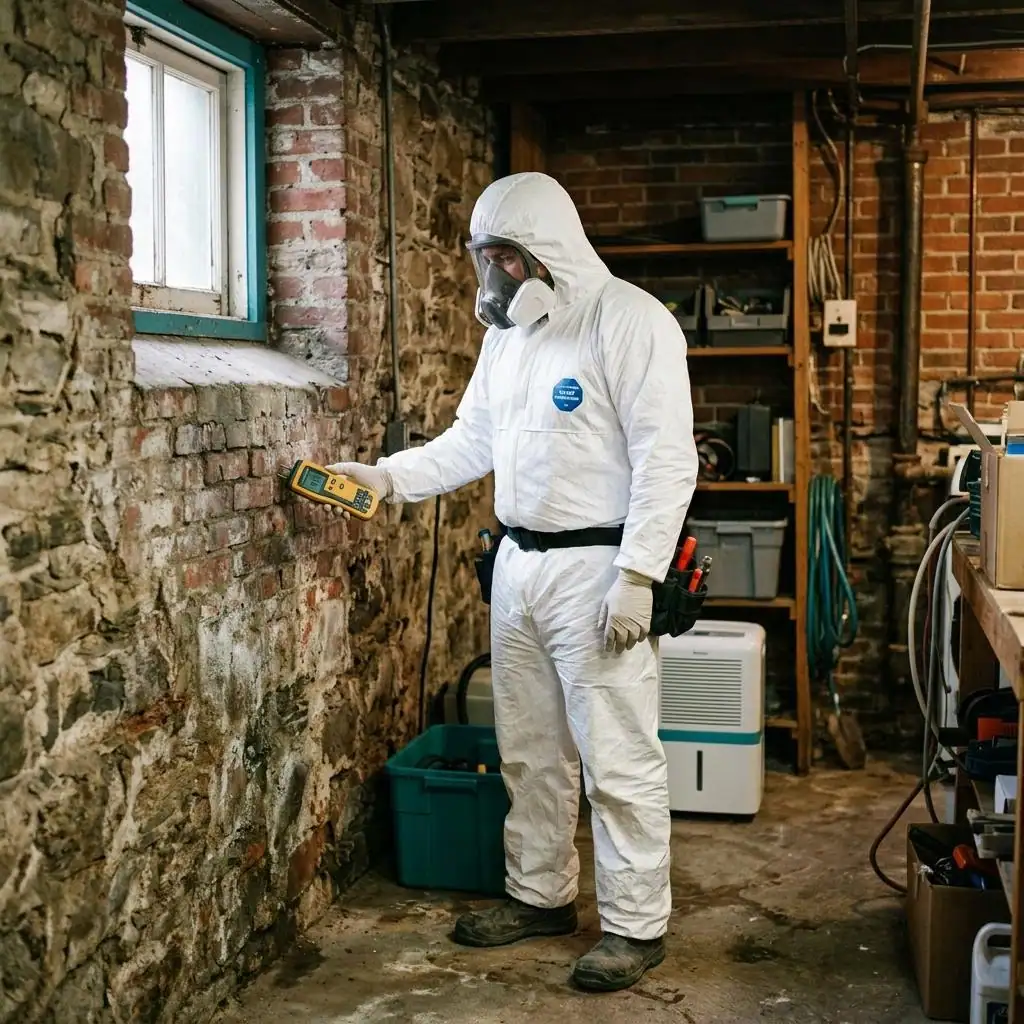
The inspector will also identify the underlying moisture source. Sometimes it is a slow leak behind a wall that has been wet for months. Other times it is poor drainage around the foundation that keeps the crawl space damp. Without fixing the moisture problem, even the best cleaning will be temporary. This is where the judgment of an experienced professional matters: they can tell you whether the solution is a simple pipe repair or whether you need better grading outside the foundation.
Containment and Safety
Once the scope is clear, the remediation team sets up containment. For small areas, this might mean sealing off the room with plastic sheeting and tape. For larger jobs, especially if attic mold has spread into the insulation, they may create a negative air pressure zone using a HEPA-filtered air scrubber. This setup ensures that spores released during cleaning do not drift into clean parts of the house.
Personal protective equipment is standard. Workers wear Tyvek suits, gloves, goggles, and N95 or half-face respirators. The goal is to prevent both inhalation of spores and cross-contamination. Homeowners and pets are usually asked to stay out of the work area until the job is complete and the air has been cleared.
Removal Methods: More Than Just Bleach
There is a common myth that bleach kills all mold. In reality, bleach is not recommended on porous surfaces like drywall or wood because the water in the bleach solution soaks into the material, feeding the roots of the mold while the chlorine only kills surface spores. Professional residential mold remediation uses different methods depending on the surface and the extent of the growth.
For soft materials like drywall, carpet, and insulation, removal is often the only option. The affected sections are cut out, bagged, and disposed of properly. For hard surfaces like concrete, brick, or metal, the team may use dry ice blasting or soda blasting. Dry ice blasting uses pellets of frozen CO2 that sublimate on impact, blasting the mold off without leaving any moisture behind. Soda blasting uses baking soda particles, which are abrasive enough to remove growth but gentle on the underlying material. Both methods are effective and avoid the water damage that comes with pressure washing.
After removal, the area is cleaned with a HEPA vacuum to capture any remaining spores. Then an antimicrobial coating or encapsulation product is applied to the cleaned surfaces. Encapsulation seals any microscopic remnants and creates a barrier that resists future growth. Some contractors also apply a biocide as a final treatment, though the use of biocides has to be carefully chosen because some can be harsh on indoor air quality.
When the HVAC System Is Involved
If the HVAC system has been contaminated, the remediation becomes more involved. Spores can settle on the coils, inside the ductwork, or in the drip pan. Simply changing the air filter is not enough. A professional will clean the ducts using a HEPA-filtered vacuum and sometimes apply an antimicrobial coating to the interior surfaces. In extreme cases, sections of ductwork may need to be replaced. This is one area where hiring a company like Mold Removal Boston makes sense because they coordinate with HVAC specialists who understand the balance between cleaning effectiveness and system integrity.
Post-Remediation Verification
After the work is done, the site should be re-inspected. A good remediation protocol includes a final round of air sampling to confirm that indoor spore levels are back to normal ranges. The inspector should provide a written report with the before and after numbers. If the levels are still high, the team needs to go back and identify what was missed. This verification step is non-negotiable if you want peace of mind.
Cost and Value Considerations
Residential mold remediation costs vary widely based on the size of the affected area, the location (attic vs. crawl space vs. finished basement), and whether structural materials need replacing. A small patch of mold on a bathroom ceiling might cost a few hundred dollars. A full crawl space remediation with new vapor barrier and insulation can run several thousand. Some homeowners consider doing it themselves, but the risk of incomplete removal and the potential for health issues often makes professional help worth the money.
There is also the question of value to the property. In the Boston and Cambridge real estate markets, a documented remediation from a certified company can be a selling point. It shows buyers that the issue was handled correctly and that there are no hidden moisture problems. On the other hand, a poorly done DIY job or an untreated mold problem can lead to lower offers or deal failures during inspection.
Prevention After Remediation
Once the mold is gone, keeping it away means controlling moisture. Simple steps include:
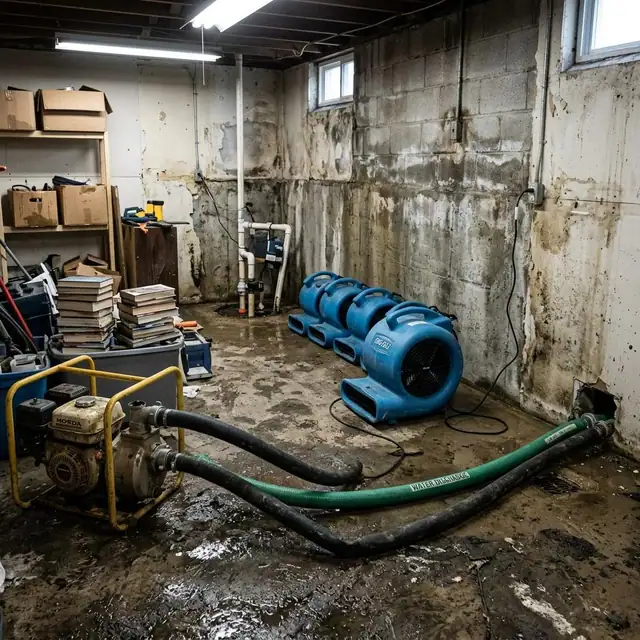
- Fixing leaks as soon as they appear, not when they become visible stains.
- Running exhaust fans in bathrooms and kitchens to reduce humidity.
- Keeping the crawl space dry with a sump pump or dehumidifier if needed.
- Inspecting the attic for roof leaks after heavy storms.
- Maintaining the HVAC system, including regular filter changes and annual inspections.
Some homeowners choose to apply an antimicrobial coating to vulnerable areas after remediation. This is especially useful in unfinished basements and crawl spaces where moisture is hard to eliminate entirely. The coating does not prevent mold if water is actively present, but it makes it harder for spores to gain a foothold.
Final Thoughts
Residential mold remediation is not a one-size-fits-all process. It requires a careful assessment of the moisture source, proper containment during removal, and verification afterward to ensure the problem is truly solved. The tools involved, from HEPA vacuums to dry ice blasting to air sampling, are specialized, which is why most homeowners benefit from hiring trained professionals. Whether you are dealing with a small patch of Aspergillus in a corner or a full crawl space infested with Stachybotrys, the principles are the same: fix the water, remove the growth safely, and take steps to prevent a recurrence. The peace of mind that comes from knowing the air in your home is clean is worth the investment.